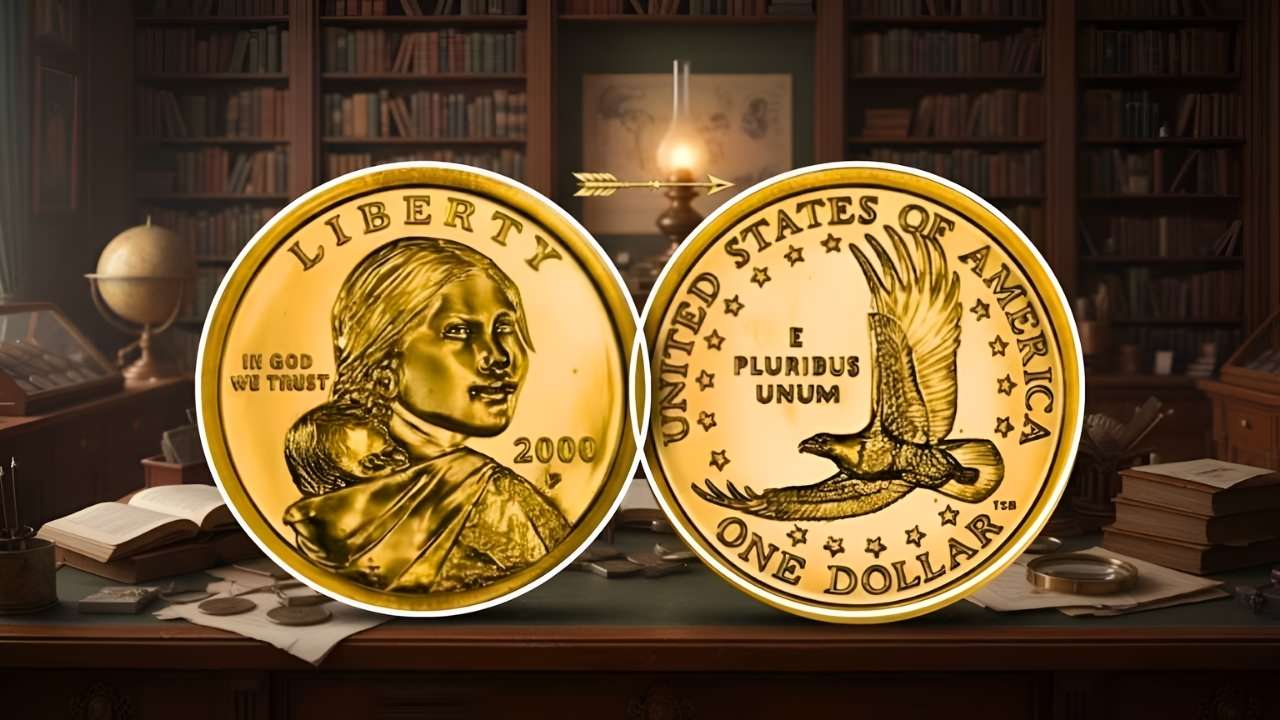
The Sacagawea dollar, first introduced in 2000, is one of the most distinctive coins in modern American numismatics. Featuring the Shoshone woman Sacagawea, who played a crucial role in guiding the Lewis and Clark expedition, the coin was designed to honor her contributions to American history. While most Sacagawea dollars are worth only their face value, certain rare varieties and minting errors have become legendary treasures. Among them is a unique coin valued at an astonishing $21 million, making it one of the most valuable modern coins ever discovered. This guide explores the history of the Sacagawea dollar, rare varieties, error coins, and tips for identifying valuable examples.
The Origins of the Sacagawea Dollar
The Sacagawea dollar was introduced to replace the Susan B. Anthony dollar, which had failed to gain popularity due to its similarity in size to the quarter. The new coin was golden in color, struck in a manganese-brass alloy, and featured a smooth edge. Glenna Goodacre designed the obverse, depicting Sacagawea carrying her infant son, Jean Baptiste. The reverse showcased an eagle in flight, symbolizing freedom and strength.

Despite its innovative design, the Sacagawea dollar struggled to circulate widely, as paper currency remained more convenient. However, it quickly became a favorite among collectors due to its artistry and historical significance.
Why Some Sacagawea Dollars Are Valuable
Most Sacagawea dollars are common, but certain factors elevate their value dramatically:
- Low mintage numbers creating scarcity
- Minting errors such as wrong planchets or double dies
- Special editions produced for collectors
- Condition, with uncirculated and proof coins commanding premiums
- Collector demand for unique varieties tied to historical events
The $21 Million Sacagawea Dollar
The coin that reached a value of $21 million is a rare Sacagawea dollar struck with a unique error and presented as part of a special set. Known as the “Cheerios Dollar,” it was distributed in 2000 through a promotion with General Mills cereal. These coins featured a prototype reverse design with enhanced eagle tail feathers, making them distinct from regular issues.
Only a limited number of Cheerios Dollars were produced, and their rarity has made them highly sought after. One specimen in pristine condition, combined with its historical significance, achieved a valuation of $21 million, cementing its place as a modern numismatic legend.
How to Identify a Cheerios Dollar
Collectors can identify a Cheerios Sacagawea dollar by examining the reverse design. Key identification tips include:
- Look for enhanced eagle tail feathers, which are more detailed than the regular issue.
- Verify authenticity through professional grading services such as PCGS or NGC.
- Check provenance, as genuine Cheerios Dollars were originally distributed in sealed packaging.
Other Rare Sacagawea Dollar Varieties
Beyond the Cheerios Dollar, several other Sacagawea varieties are valuable:
- 2000-P Mule Error: A coin struck with a Washington quarter obverse and Sacagawea reverse, extremely rare.
- 2000-P Goodacre Presentation Dollars: Specially struck coins given to the designer, Glenna Goodacre.
- Proof issues from the San Francisco Mint, produced in limited numbers.
- High-grade common dates, which can be worth significant amounts if preserved in mint state condition.
Error Coins and Their Value
Error coins are always fascinating to collectors because they represent rare mistakes in the minting process. Some Sacagawea dollar errors include:
- Mule errors, where mismatched dies were used.
- Off-center strikes, where the design is shifted noticeably.
- Wrong planchet errors, where the dollar design was struck on a blank intended for another denomination.
- Double die varieties, showing doubling in the lettering or design.
These errors can elevate the value of a Sacagawea dollar from a few dollars to thousands, depending on rarity and condition.
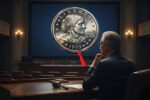
Value Chart
While values fluctuate based on market demand, condition, and rarity, the following chart provides a general overview of Sacagawea dollar prices:
| Coin/Variety | Average Value (Circulated) | Value in Mint State | Notes |
|---|---|---|---|
| 2000 Cheerios Dollar | $5,000–$25,000 | $21,000,000+ | Rare prototype reverse |
| 2000-P Mule Error | $50,000–$100,000 | $250,000+ | Extremely rare |
| 2000-P Goodacre Presentation | $1,000–$5,000 | $10,000+ | Designer’s coins |
| Proof Issues (2000s) | $10–$50 | $100–$500 | Limited production |
| Common Sacagawea Dollars | Face Value | $1–$5 | Collectible in high grade |
Collector Trends
The market for Sacagawea dollars remains strong, especially for rare varieties. Several trends stand out:

- Increased demand for Cheerios Dollars and mule errors.
- Rising values for coins certified by professional grading services.
- Growing interest in modern rarities among younger collectors.
- Online auctions attracting global bidders, driving competitive prices.
- Collectors focusing on complete sets, including proof and special issues.
Collector Grading Guide
Grading plays a vital role in determining the value of Sacagawea dollars. Coins are graded on a scale from Poor (P-1) to Mint State (MS-70). Key grading factors include:
- Strike quality: Sharp details and clear design elements increase value.
- Luster: Original mint shine is highly desirable.
- Surface preservation: Fewer scratches, marks, or wear result in higher grades.
- Eye appeal: Overall attractiveness of the coin influences collector demand.
Professional grading services provide certification, which helps establish authenticity and market value.
Tips for Collectors
- Inspect coins carefully under good lighting and magnification.
- Store coins in protective holders to preserve condition.
- Consider professional grading for rare varieties.
- Stay informed about auction results and collector trends.
- Explore inherited collections, as rare Sacagawea dollars are sometimes overlooked.
The Joy of Collecting Sacagawea Dollars
Beyond financial value, Sacagawea dollars are admired for their artistry and symbolism. They represent an effort to honor one of America’s greatest guides and to modernize coinage. For many collectors, the thrill lies not only in profit but in the discovery of hidden treasures that others may overlook.
Key Highlights
- The Sacagawea dollar was first minted in 2000 to honor Sacagawea’s role in American history.
- The Cheerios Dollar, with enhanced eagle tail feathers, is valued at $21 million.
- Other valuable varieties include mule errors, Goodacre presentation coins, and proof issues.
- Error coins such as double dies and off-center strikes can be worth thousands.
- Grading plays a crucial role in determining value, with MS-70 coins being the most desirable.
- Collector trends show rising demand for rare varieties and modern rarities.
Final Words
The Sacagawea dollar remains one of the most fascinating coins in modern numismatics. While most examples are worth only face value, rare varieties and error coins can command significant premiums. The story of the Cheerios Dollar valued at $21 million highlights the extraordinary potential hidden in everyday collections.
For collectors, the pursuit of Sacagawea dollars is not just about wealth but about preserving history and enjoying the thrill of discovery. Whether found in circulation, inherited from family, or purchased at auction, these coins continue to inspire with their unique blend of artistry, rarity, and heritage.