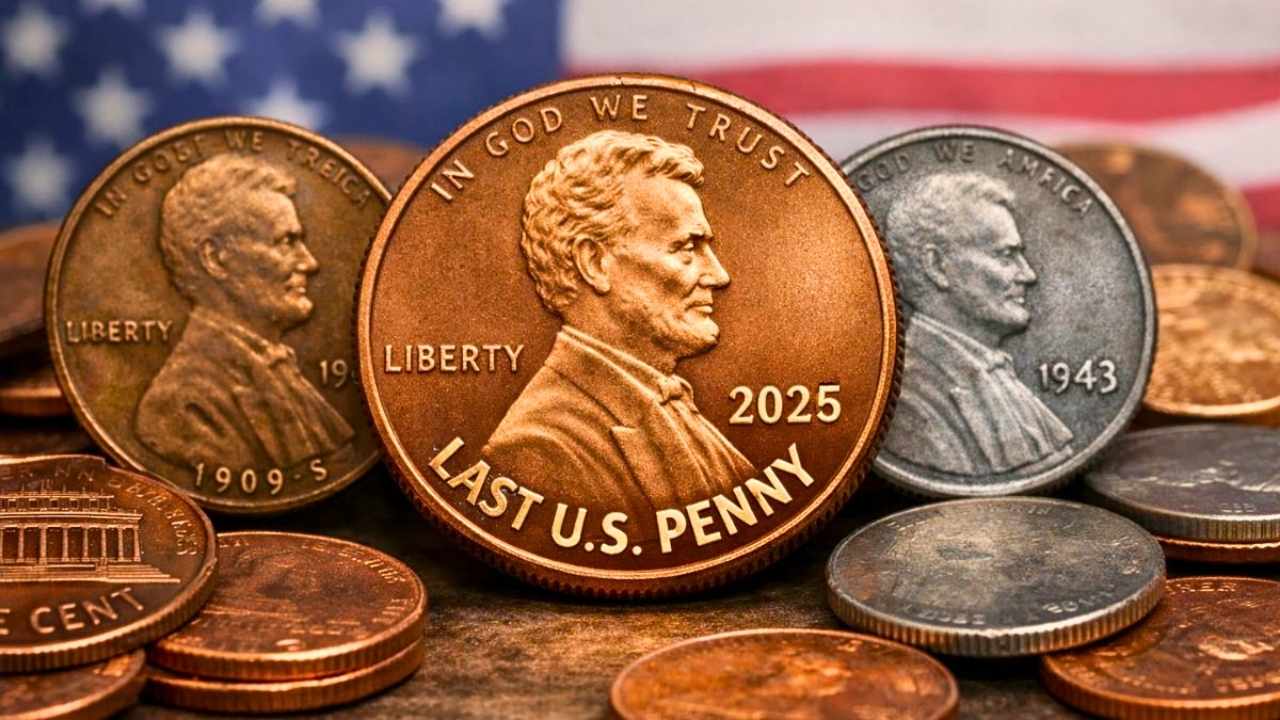
The humble penny has been a part of American life for more than two centuries. From its first appearance in 1793 to its modern-day copper-plated zinc form, the penny has carried both practical and symbolic value. Yet, as the cost of production rose and the usefulness of the coin declined, discussions about ending penny production grew louder. The last U.S. penny ever minted has now become a historic artifact, and in 2026, collectors are eyeing significant gains as demand for this final issue surges.
The History of the Penny
The penny has undergone many transformations since its introduction. Early designs featured flowing hair and Liberty motifs, while later issues honored President Abraham Lincoln starting in 1909. The Lincoln cent became one of the most recognized coins in American currency, with countless variations and minting errors adding to its appeal for collectors.

Over time, the penny’s composition changed from pure copper to bronze, and eventually to copper-plated zinc in 1982. These changes reflected economic realities, as the cost of copper and production often exceeded the coin’s face value. Despite its small denomination, the penny remained a cultural symbol, appearing in phrases like “a penny saved is a penny earned.”
Why the Penny Was Discontinued
The decision to discontinue the penny was driven by several factors. Rising production costs meant that each penny cost more than one cent to make. Additionally, inflation reduced the coin’s purchasing power, making it less useful in everyday transactions. Many businesses and consumers found pennies inconvenient, often leaving them unused or discarded.

By the mid-2020s, the U.S. Mint announced the end of penny production, marking the close of an era. The final minting created a wave of interest among collectors, who recognized the historical significance of owning the last penny ever struck.
The Last Penny Minted
The last U.S. penny minted carries immense symbolic and collectible value. While millions were produced in its final year, certain varieties and mint marks are already commanding attention. Collectors are particularly interested in proof sets, uncirculated rolls, and error coins from the final production run.

In 2026, these coins are being sold at auctions and private sales for far more than their face value. The last penny represents not just currency, but a piece of history that marks the end of a tradition spanning more than 200 years.
Investment Potential for Collectors
Collectors and investors alike are eyeing big gains from the last penny ever minted. The value of these coins depends on several factors:

- Condition: Uncirculated and proof coins are worth more than circulated examples.
- Rarity: Error coins or limited mint sets from the final year are especially valuable.
- Demand: The historical significance of the last penny ensures strong collector interest.
- Certification: Coins graded by professional services like PCGS or NGC often command higher prices.
In 2026, prices for pristine examples of the last penny have already risen sharply. Experts predict that values will continue to climb as more collectors seek to add this historic coin to their collections.
Error Varieties and Special Issues
Error coins from the final penny production are particularly prized. These include double die errors, off-center strikes, and clipped planchets. Such anomalies are rare and visually distinctive, making them highly desirable. Collectors are willing to pay significant premiums for these unique pieces, viewing them as both investments and artifacts of minting history.
Special issues, such as proof sets and commemorative packaging, also add value. These coins are often preserved in pristine condition, making them attractive to serious collectors.
How to Identify and Preserve the Last Penny
Identifying valuable last pennies requires careful examination. Collectors should look for mint marks, proof finishes, and potential errors. Using magnifying tools can help detect doubling or misstrikes.

Preservation is equally important. Coins should be stored in protective holders to prevent wear and tarnish. Avoid cleaning coins, as this can reduce their value. Keeping them in a stable environment ensures they retain their condition for years to come.
Market Trends in 2026
The coin market in 2026 shows strong demand for the last penny ever minted. Online auctions, coin shows, and private sales reveal that collectors are willing to pay premium prices for these coins. The fixed supply of final-year pennies ensures that competition remains fierce, driving values higher.

Experts believe that as time passes, the historical significance of the last penny will only grow. This makes it not just a collectible, but also a potential long-term investment.
Key Highlights
- The penny was first introduced in 1793 and discontinued in the mid-2020s.
- Rising production costs and declining usefulness led to its end.
- The last penny minted in the U.S. carries immense historical and collectible value.
- Error varieties and proof sets from the final year are especially prized.
- In 2026, collectors are seeing significant gains from investing in the last penny.
- Preservation and professional grading are essential for maximizing value.
- Market trends show rising demand and increasing prices for these coins.
Final Words
The last U.S. penny ever minted marks the end of a long and storied chapter in American coinage. What was once a simple coin used in everyday transactions has now become a symbol of history and change. In 2026, collectors are not only preserving these coins but also investing in them, with values climbing steadily. Whether you are a seasoned numismatist or a newcomer to coin collecting, owning the last penny offers both historical significance and financial potential. It serves as a reminder that even the smallest denomination can leave a lasting legacy.