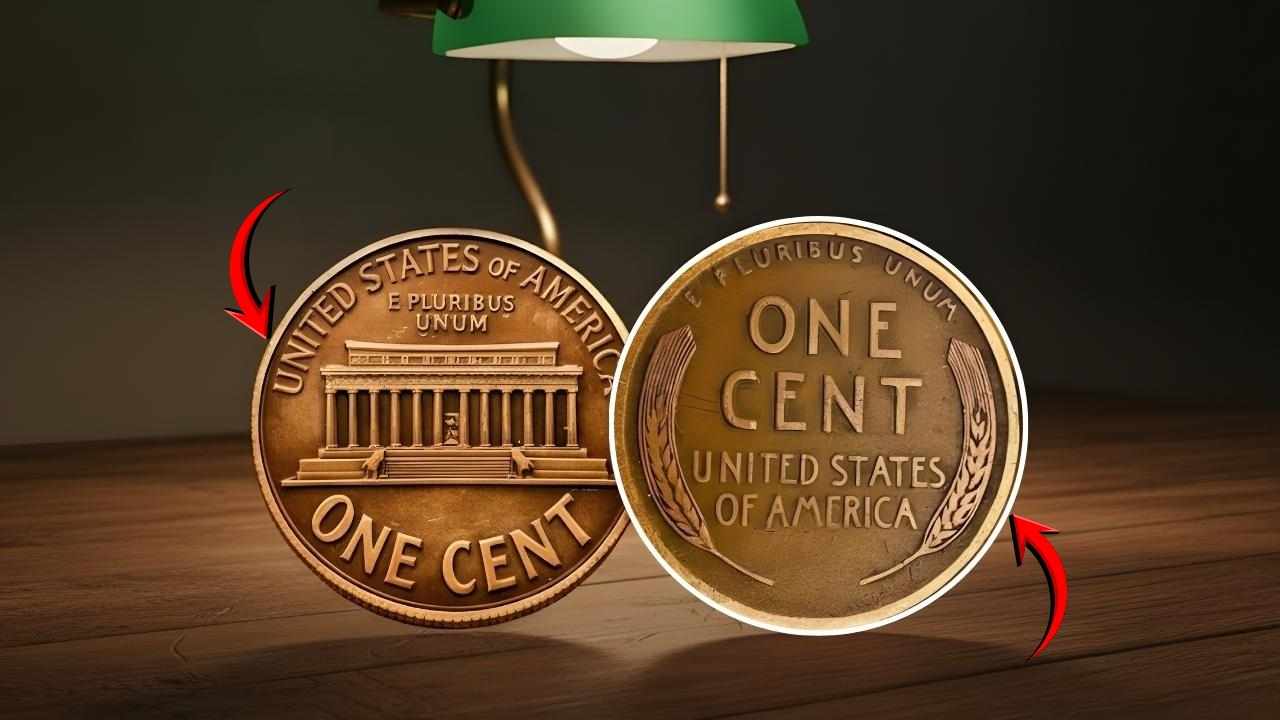
The Lincoln Wheat penny is one of the most beloved coins in American numismatics. First minted in 1909 to honor President Abraham Lincoln, it quickly became a symbol of American heritage and remains a favorite among collectors today. While most Wheat pennies are worth only a few cents, certain rare dates, minting errors, and high-grade examples have commanded astonishing values. In 2026, one particular variety has been valued at $625,000, sparking renewed interest in this iconic coin. This guide explores the history, rare dates, errors, and collector tips that make the Lincoln Wheat penny such a fascinating treasure.
The History of the Lincoln Wheat Penny
Introduced in 1909 to commemorate the centennial of Abraham Lincoln’s birth, the Wheat penny was designed by Victor David Brenner. The obverse features Lincoln’s portrait, while the reverse displays two wheat stalks framing the denomination. This design remained in use until 1958, when it was replaced by the Lincoln Memorial reverse.
The Wheat penny was the first U.S. coin to feature a real person rather than a symbolic figure, marking a significant shift in American coinage. Struck in bronze, these coins circulated widely for decades, and millions were produced. Yet, despite their abundance, certain varieties remain rare and highly valuable.
Why Wheat Pennies Are Valuable
Several factors contribute to the value of Lincoln Wheat pennies:
- Low mintage years, where fewer coins were struck
- Minting errors, such as double dies and off-center strikes
- Condition, with uncirculated coins commanding higher premiums
- Historical significance, especially early issues from 1909
- Collector demand, driven by the pursuit of complete sets
Rare Lincoln Wheat Penny Dates
Some Wheat pennies stand out for their rarity and value:
- 1909-S VDB: The first year of issue, with the designer’s initials prominently displayed. Only 484,000 were minted, making it one of the most famous rarities.
- 1914-D: A low mintage coin from the Denver Mint, highly sought after in high grades.
- 1922 No D: A variety struck in Denver without the mintmark, rare and valuable.
- 1931-S: Another low mintage issue, prized by collectors.
- 1943 Copper Penny: Struck in error when a few bronze planchets were used instead of steel, these coins are among the most valuable Wheat pennies.
The $625,000 Lincoln Wheat Penny
Among the most extraordinary finds is the 1943 copper Wheat penny. During World War II, pennies were struck in steel to conserve copper for the war effort. However, a few bronze planchets from 1942 were mistakenly used, creating the rare 1943 copper penny.

One example sold for $625,000, making it one of the most valuable Lincoln Wheat pennies ever discovered. The rarity, combined with its wartime history, has made this coin legendary among collectors.
Error Varieties That Add Value
Error coins are among the most exciting finds for collectors. Notable Wheat penny errors include:
- Double die obverse, where the date and lettering appear doubled
- Off-center strikes, with portions of the design missing
- Wrong planchet errors, where the coin was struck on a blank intended for another denomination
- Clipped planchets, creating unusual shapes
- Missing mintmark varieties, especially in the 1922 No D issue
Value Trends in 2026
The past decade has seen notable changes in Wheat penny values. Some coins have appreciated significantly, while others have remained steady. Key trends include:
- Rising demand for rare varieties such as the 1909-S VDB and 1943 copper penny
- Increased interest in error coins among younger collectors
- Greater premiums for high-grade coins certified by professional grading services
- Online auctions driving competitive bidding for rare varieties
- Global interest expanding the market beyond the United States
Updated Price Chart
| Year/Variety | Average Value (Circulated) | Value in Mint State | Notes |
|---|---|---|---|
| 1909-S VDB | $700–$1,500 | $5,000–$20,000 | First year rarity |
| 1914-D | $200–$500 | $2,000–$15,000 | Low mintage |
| 1922 No D | $500–$1,000 | $10,000+ | Missing mintmark |
| 1931-S | $75–$150 | $1,000+ | Scarce issue |
| 1943 Copper | $100,000+ | $625,000+ | Wartime error |
| Common Wheat Pennies | $0.10–$1 | $5–$50 | Abundant issues |
| Error Coins | $50–$500 | $1,000+ | Dramatic errors |
Collector Trends
The market for Wheat pennies remains strong. Several trends stand out:
- Increased demand for early issues and rare varieties
- Rising values for error coins, especially dramatic double dies
- Growing interest among younger collectors entering the hobby
- Online auctions attracting global bidders, driving competitive prices
- Collectors focusing on complete sets, including both common and rare dates
Collector Grading Guide
Grading plays a vital role in determining the value of Wheat pennies. Coins are graded on a scale from Poor (P-1) to Mint State (MS-70). Key grading factors include:
- Strike quality, with sharp details increasing value
- Luster, with original mint shine highly desirable
- Surface preservation, with fewer scratches or marks resulting in higher grades
- Eye appeal, with overall attractiveness influencing collector demand
Professional grading services provide certification, which helps establish authenticity and market value.
Tips for Collectors
- Inspect coins carefully under good lighting and magnification
- Store coins in protective holders to preserve condition
- Consider professional grading for rare varieties
- Stay informed about auction results and collector trends
- Explore inherited collections, as rare Wheat pennies are sometimes overlooked
The Joy of Collecting Wheat Pennies
Beyond financial value, Wheat pennies are admired for their artistry and symbolism. They represent an effort to honor one of America’s greatest presidents and to modernize coinage. For many collectors, the thrill lies not only in profit but in the discovery of hidden treasures that others may overlook.
Key Highlights
- The Lincoln Wheat penny was first minted in 1909 to honor President Abraham Lincoln
- Rare dates include the 1909-S VDB, 1914-D, 1922 No D, 1931-S, and 1943 copper penny
- The 1943 copper penny has sold for $625,000, making it one of the most valuable Wheat pennies
- Error coins such as double dies and off-center strikes can be worth hundreds or thousands
- Collector trends show rising demand for rare varieties and error coins
- Grading plays a crucial role in determining value
Final Words
The Lincoln Wheat penny remains one of the most collected coins in American numismatics. While most examples are worth only face value, rare dates, errors, and high-grade issues can command significant premiums. The possibility of finding a $625,000 treasure hidden in ordinary change adds excitement to the hobby.

For collectors, the pursuit of Wheat pennies is not just about wealth but about preserving history and enjoying the thrill of discovery. Whether found in circulation, inherited from family, or purchased at auction, these coins continue to inspire with their unique blend of artistry, rarity, and heritage.