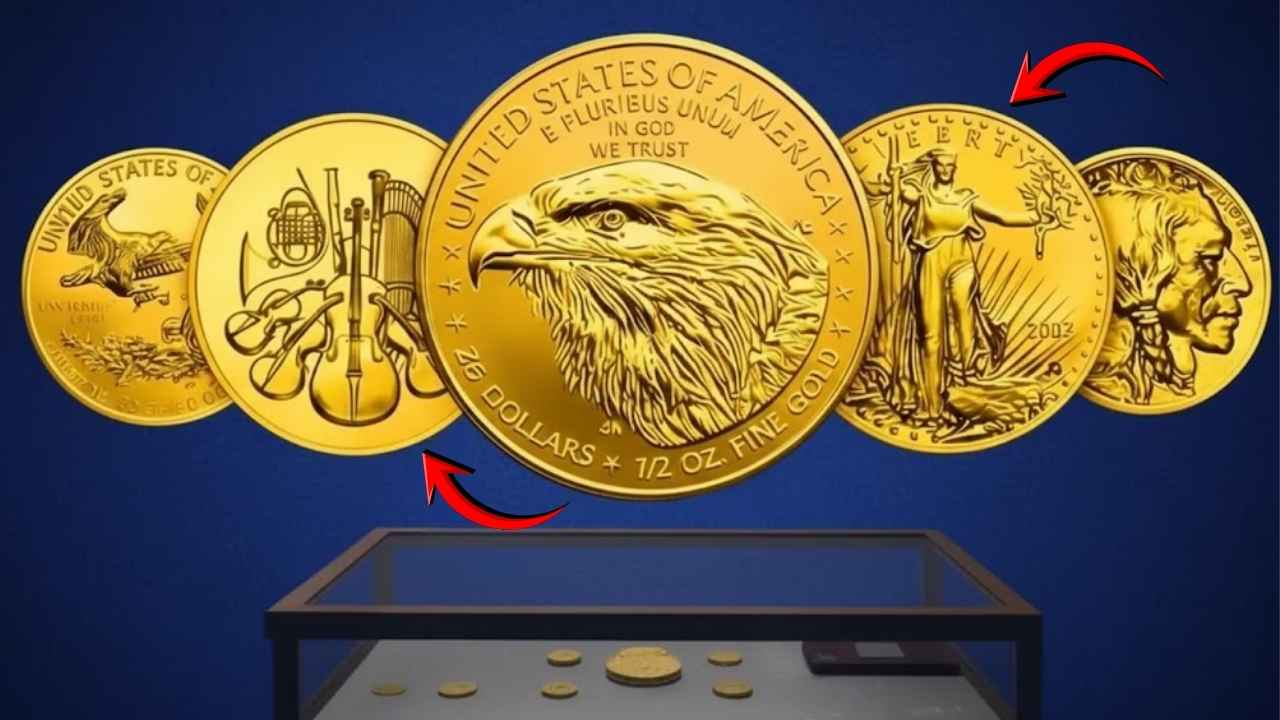
Coins have always been more than just currency. They are miniature pieces of history, art, and culture. For collectors, rare coins represent not only financial value but also a tangible connection to the past. In 2026, certain U.S. coins have reached values that surpass the price of gold, making them treasures worth seeking. This guide explores four rare coins that stand out in today’s market, their history, unique features, and why they are considered more valuable than precious metals.
The Allure of Rare Coins
Rare coins attract collectors for several reasons. Their scarcity makes them desirable, while their historical significance adds depth to their appeal. Unlike gold, which is valued primarily for its weight and purity, coins carry stories of minting errors, limited production runs, and cultural symbolism. This combination of rarity and narrative often drives values far beyond their intrinsic metal content.

Coin One: 1943 Copper Penny
During World War II, the U.S. Mint switched from copper to steel for penny production to conserve copper for the war effort. However, a few copper planchets were mistakenly used in 1943, creating one of the most famous error coins in American history. These pennies are incredibly rare, with only a handful known to exist. Auction records show values reaching hundreds of thousands of dollars, making them worth far more than their weight in gold. Collectors prize them for their unique wartime story and extreme scarcity.
Coin Two: 1913 Liberty Head Nickel
The 1913 Liberty Head Nickel is legendary among collectors. Only five examples are known to exist, and their origin remains somewhat mysterious. These coins were never officially authorized for production, yet they surfaced in the early twentieth century and quickly became prized rarities. Today, they are valued in the millions, far surpassing gold prices. Their combination of mystery, rarity, and historical intrigue makes them one of the most coveted coins in U.S. numismatics.

Coin Three: 1804 Silver Dollar
Known as the “King of American Coins,” the 1804 Silver Dollar is one of the most famous rarities in the world. Although dated 1804, these coins were actually struck decades later as diplomatic gifts. Only fifteen are known to exist, divided into different classes based on their production history. Auction values have reached millions, making them far more valuable than gold. Collectors admire them for their beauty, rarity, and the fascinating story behind their creation.
Coin Four: 1955 Double Die Lincoln Cent
The 1955 Double Die Lincoln Cent is one of the most recognizable error coins in U.S. history. The doubling on the obverse lettering is visible to the naked eye, making it a striking example of a minting mistake. While not as rare as the 1943 copper penny, its popularity and demand have driven values into the thousands. For collectors, it represents the thrill of discovering an error coin that stands out dramatically from ordinary issues. Its value continues to rise, proving that even small coins can surpass gold in worth.

Why These Coins Surpass Gold
Gold has long been considered a standard of wealth, but rare coins often exceed its value because they combine scarcity with historical significance. While gold prices fluctuate based on market demand, rare coins are driven by collector interest, auction records, and cultural importance. Owning one of these coins is not just about financial investment; it is about possessing a piece of history that few others can claim.
Value Trends in 2026
The coin market in 2026 shows strong demand for rare U.S. coins. Auction houses report record prices, with collectors competing fiercely for the most coveted examples. The 1943 copper penny and 1913 Liberty Head Nickel continue to set benchmarks, while the 1804 Silver Dollar remains a symbol of ultimate rarity. Even error coins like the 1955 double die Lincoln cent are achieving higher values as interest grows. Compared to gold, which is valued by weight, these coins are valued by story, rarity, and condition, making them unique investment opportunities.
Collectors Tips and Strategies
Learn the Key Dates and Varieties
Knowledge is essential. Understanding which coins are rare helps collectors focus their search and avoid common pitfalls.
Focus on Condition
Condition plays a critical role in value. Coins graded Mint State or Proof are worth far more than circulated examples. Avoid cleaning coins, as this can reduce their value significantly.

Buy from Reputable Sources
Authenticity is crucial. Always purchase from trusted dealers, auction houses, or certified coin shows. Counterfeits exist, especially for rare varieties, so certification provides peace of mind.
Diversify Your Collection
Consider collecting a mix of common coins, rare varieties, and error issues. This approach balances affordability with long‑term investment potential.

Preserve and Protect
Proper storage is essential to maintain value. Use protective holders or albums to prevent damage. Store coins in a cool, dry environment to avoid tarnish or corrosion.
The Cultural Significance of Rare Coins
Beyond monetary value, rare coins hold cultural importance. They represent moments in history, from wartime shortages to minting experiments. Collectors admire them not only as financial assets but also as pieces of art and heritage. Owning a rare coin is like holding a fragment of America’s past, connecting generations through shared history.

Key Highlights
- Rare coins often surpass gold in value due to scarcity and historical significance
- The 1943 copper penny, 1913 Liberty Head Nickel, 1804 Silver Dollar, and 1955 double die cent are among the most valuable in 2026
- Auction records show continued growth in values, with some coins reaching millions
- Condition, authenticity, and preservation are key factors influencing value
- Collectors should focus on knowledge, diversification, and proper storage
Final Words
The four rare U.S. coins highlighted in this guide prove that extraordinary treasures can be found in the most unexpected places. From pennies to silver dollars, these coins have achieved values that surpass gold, driven by rarity, history, and collector demand. For enthusiasts, building a collection is both rewarding and educational, offering a chance to preserve history while investing in tangible assets. As values continue to rise in 2026, rare coins remain timeless collectibles that inspire fascination and prove that even the smallest denomination can carry a story worth more than gold.